What Roof Coating Involves
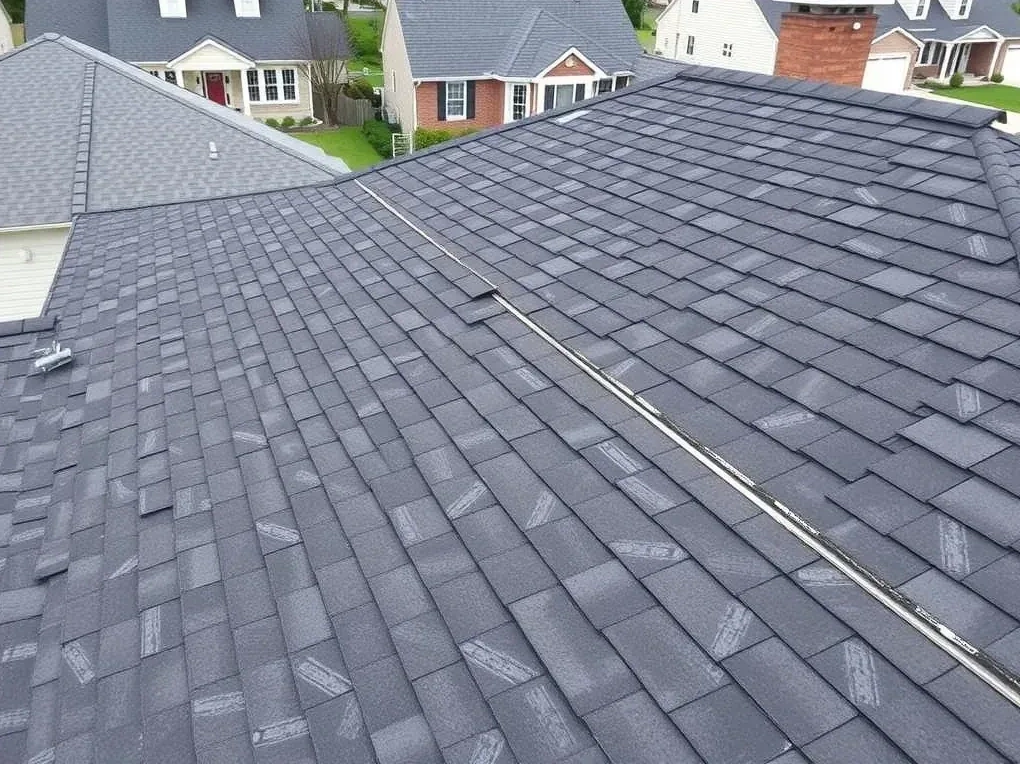
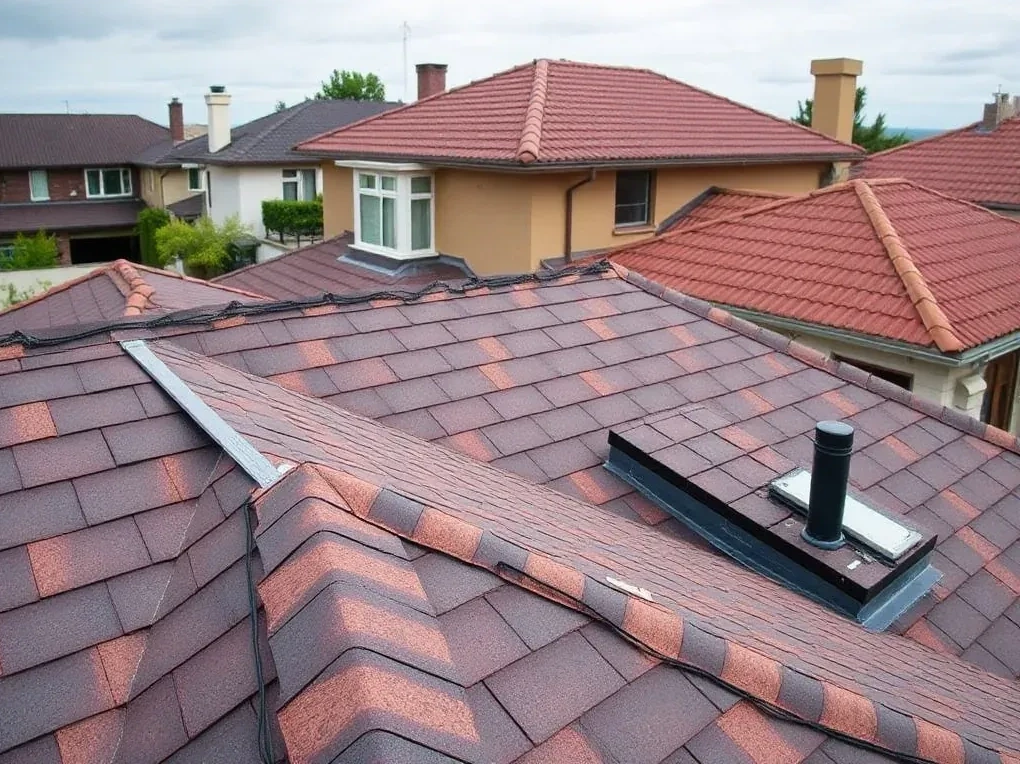
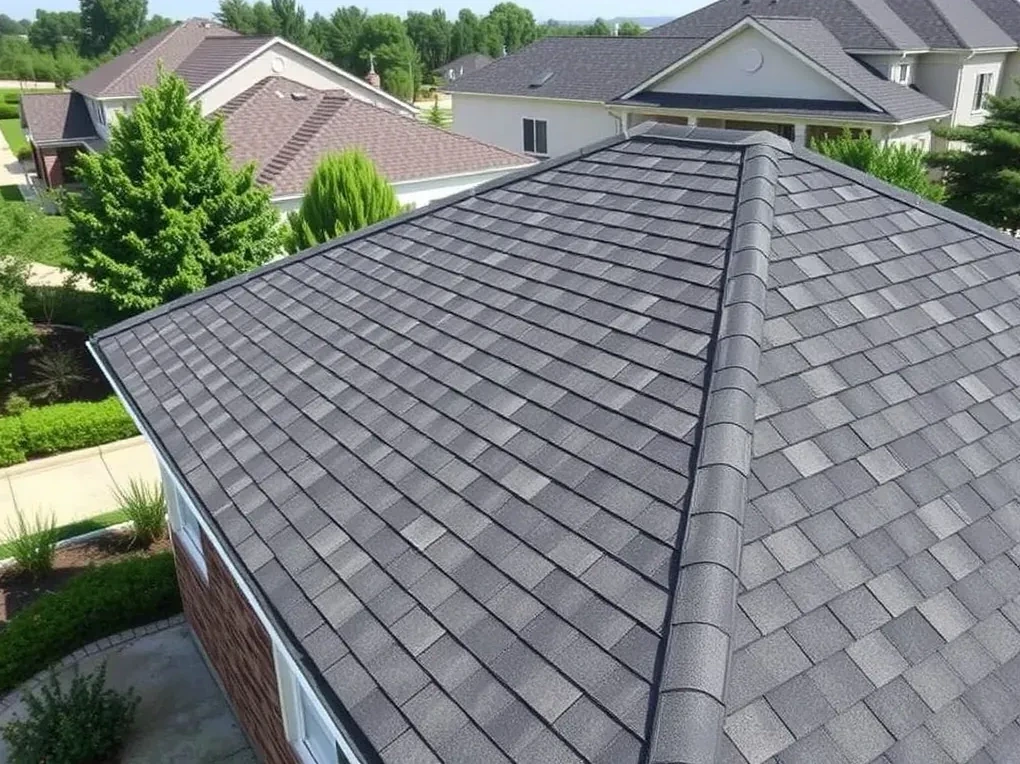
Roof coating is the process of cleaning, priming, and applying a continuous elastomeric or silicone membrane over an existing roof deck—mending damage, sealing seams, and restoring weathertightness without stripping the substrate. Unlike a tear-off, this recover method preserves your existing structure while adding a durable, reflective skin that resists UV degradation, ponding water, and thermal cycling.
The work begins with a thorough substrate inspection and cleaning—removing algae, debris, and loose material that wick moisture into seams. We then apply a manufacturer-specified primer system (typically self-adhered or spray-applied) that bonds the coating to the roof deck and existing membrane. The field course follows in overlapping passes, building the final elastomeric or polyurethane layer to specification thickness (typically 20-60 mils). Ring-shank fasteners secure any flashing or edge terminations, and all seams are hand-sealed to prevent water migration.
Material selection depends on your roof's current condition and your building's use. Silicone coatings excel in Florida's high-humidity environment—they resist algae growth, maintain flexibility in thermal stress, and reflect 85%+ of solar radiation. Acrylic elastomerics cost less upfront but require more frequent recoating (every 5-7 years). Polyurethane systems offer superior puncture resistance and durability in high-traffic areas. We specify the right system for your asset's age, slope, drainage, and warranty requirements.
Signs You Need Roof Coating
Roof coating becomes a cost-effective option when your existing membrane shows early-stage degradation but the deck structure remains sound. Watch for these specific indicators that coating can restore performance:
- Seam separation or minor blistering: Water seeps along membrane seams or small air pockets form under the surface—coating seals these pathways before they erode into active leaks.
- Ponding water 48 hours after rain: Low spots collect standing water that wicks into the deck and accelerates rot; coating improves drainage by restoring slope and filling depressions.
- Granule loss or surface crazing: The membrane flakes or shows fine cracks from UV exposure and thermal cycling—coating provides a fresh, UV-stable layer that halts further spalling.
- Algae and moss growth: Central Florida's humidity and May-October thunderstorms create ideal conditions for biological growth that traps moisture; silicone coatings resist this colonization.
- Flashing pull-away at parapets or penetrations: Sealant deteriorates and gaps form where water wick into walls; resealing and coating the transition restores the water barrier.
- Interior staining at column lines or parapet walls: Water intrusion at structural penetrations or parapet base indicates failed membrane; coating the affected zone and re-flashing stops the leak before structural decay sets in.
Our Roof Coating Process
We follow a systematic, site-specific process that ensures adhesion, durability, and warranty compliance:
- Roof Asset Survey & Condition Report: We inspect the entire membrane, document seam conditions, check drainage patterns, and identify localized failures. Photos and written findings guide material selection and specification.
- Substrate Preparation: High-pressure wash or soft-bristle scrub removes algae, dirt, and loose granules. Seams are cleaned and any blistered areas are slit and re-adhered. We allow 48 hours dry time before priming.
- Primer Application: Manufacturer-specified primer is applied per coverage rates (typically 1.5–2 gallons per 100 sq ft). Primer bonds the coating to the existing membrane and ensures uniform color and adhesion.
- Field Coating Installation: Elastomeric or silicone coating is spray-applied in overlapping passes to achieve specified thickness. Seams, penetrations, and flashing are hand-sealed and backfilled. The coating cures per manufacturer schedule (typically 24–72 hours).
- Quality Inspection & Warranty Registration: We verify wet-film thickness using calibrated gauges, document coverage with photos, and enroll your system in the manufacturer's warranty program (NDL, GAF, or Henry—typically 10–15 years).
- Tenant Coordination & Final Walkthrough: For multi-tenant buildings, we coordinate access schedules and notify occupants of work windows. A final walkthrough confirms drainage, no ponding, and clean perimeter.
Cost Considerations in Orlando
Roof coating costs depend on system type, roof size, existing membrane condition, and complexity. Most commercial projects in Orlando range from $1.25 to $3.50 per square foot installed—roughly $5,000 to $14,000 for a typical 4,000 sq ft flat roof. Silicone systems run higher ($2.50–$3.50/sq ft) due to superior durability and algae resistance; acrylic elastomerics cost less ($1.25–$2.00/sq ft) but require recoating sooner.
Factors that affect pricing: existing membrane condition (heavy algae or blistering requires extra prep), roof complexity (multiple penetrations, parapets, and skylights add labor), and system warranty (15-year NDL warranties cost more than 5-year standard coverage). We provide a detailed estimate after the asset survey, itemizing material, labor, and warranty enrollment. Many building owners recover the coating cost through reduced energy bills (reflective coatings lower cooling costs 10–20%) and extended roof life—deferring a $50,000+ tear-off by a decade.
Warranty & Insurance
Roof coatings installed by certified applicators carry manufacturer warranties ranging from 5 to 15 years, depending on system and maintenance. GAF Unisil and Henry coatings include NDL (No Dollar Limit) warranties covering material defects and labor—we handle all registration paperwork. Warranty terms require annual inspections and prompt repair of any punctures or seam issues to maintain coverage.
If storm damage or hail occurs after coating installation, your warranty typically covers material replacement; your building's insurance covers labor and contents loss. We document all pre-existing conditions and take post-installation photos to support insurance claims. For properties in hail-prone areas (Central Florida experienced significant hail damage during the 2013 Central Florida hailstorm), silicone coatings offer better impact resistance than acrylic systems and are often preferred by carriers.
Why Choose Orlando Top Roofers for Roof Coating in Orlando?
We've protected Central Florida roofs through decades of intense afternoon thunderstorms, hurricane-force winds, and the high humidity that accelerates algae and membrane decay. Our team understands the specific failure modes that affect 1980s concrete block ranch homes, 2000s Mediterranean-style stucco villas, and historic Mid-Century bungalows across Baldwin Park, College Park, Dr. Phillips, Winter Park, and Lake Nona. We specify coating systems proven in Florida's climate and manage warranty enrollment, insurance coordination, and tenant communication so you can focus on your business. Every job is backed by transparent pricing, a written specification, and our commitment to quality workmanship that earns your trust through results, not promises.
Signs You Need Roof Coating
Seam Separation or Blistering
Water seeps along membrane seams or small air pockets form under the surface—common in Central Florida where humidity and thermal cycling stress weak bonds. Coating seals these pathways before they erode into active leaks that damage structural decking.
Ponding Water After Rain
Standing water remains 48 hours after a storm, indicating poor drainage or low spots in the membrane. Florida's intense afternoon thunderstorms (May–October) make this a critical failure mode; coating restores slope and fills depressions to prevent water intrusion.
Algae and Moss Growth
High humidity and frequent rain create ideal conditions for biological colonization that traps moisture and accelerates decay. Silicone coatings resist algae growth and maintain flexibility in Florida's thermal cycles, preventing future spalling.
Granule Loss or Surface Crazing
The membrane flakes or shows fine cracks from UV exposure and thermal stress—visible as small particles in gutters or a chalky surface. Coating provides a fresh, UV-stable layer that halts further deterioration and extends roof life.
Flashing Pull-Away at Parapets
Sealant deteriorates and gaps form where walls meet the roof, allowing water to wick into building cavities. Resealing and coating the transition restores the water barrier and prevents interior staining and structural damage.
Interior Staining at Column Lines
Water intrusion at structural penetrations or parapet bases indicates failed membrane and active leakage. Coating the affected zone and re-flashing stops the leak before rot and decay compromise the building's structural integrity.
What's Included
- ✓ Comprehensive roof asset survey with written condition report and photo documentation
- ✓ Drainage analysis and slope assessment to identify ponding risk areas
- ✓ Manufacturer specification review and system recommendation (silicone, acrylic, or polyurethane)
- ✓ Substrate preparation including high-pressure wash and seam cleaning
- ✓ Primer and field coating installation per manufacturer specifications and coverage rates
- ✓ Warranty enrollment with NDL or manufacturer coverage (typically 10–15 years)
- ✓ Tenant notification coordination and final walkthrough inspection
Related Services
Ready to get started? Call us today at 8775861316 for a free estimate.
☎ Call 8775861316